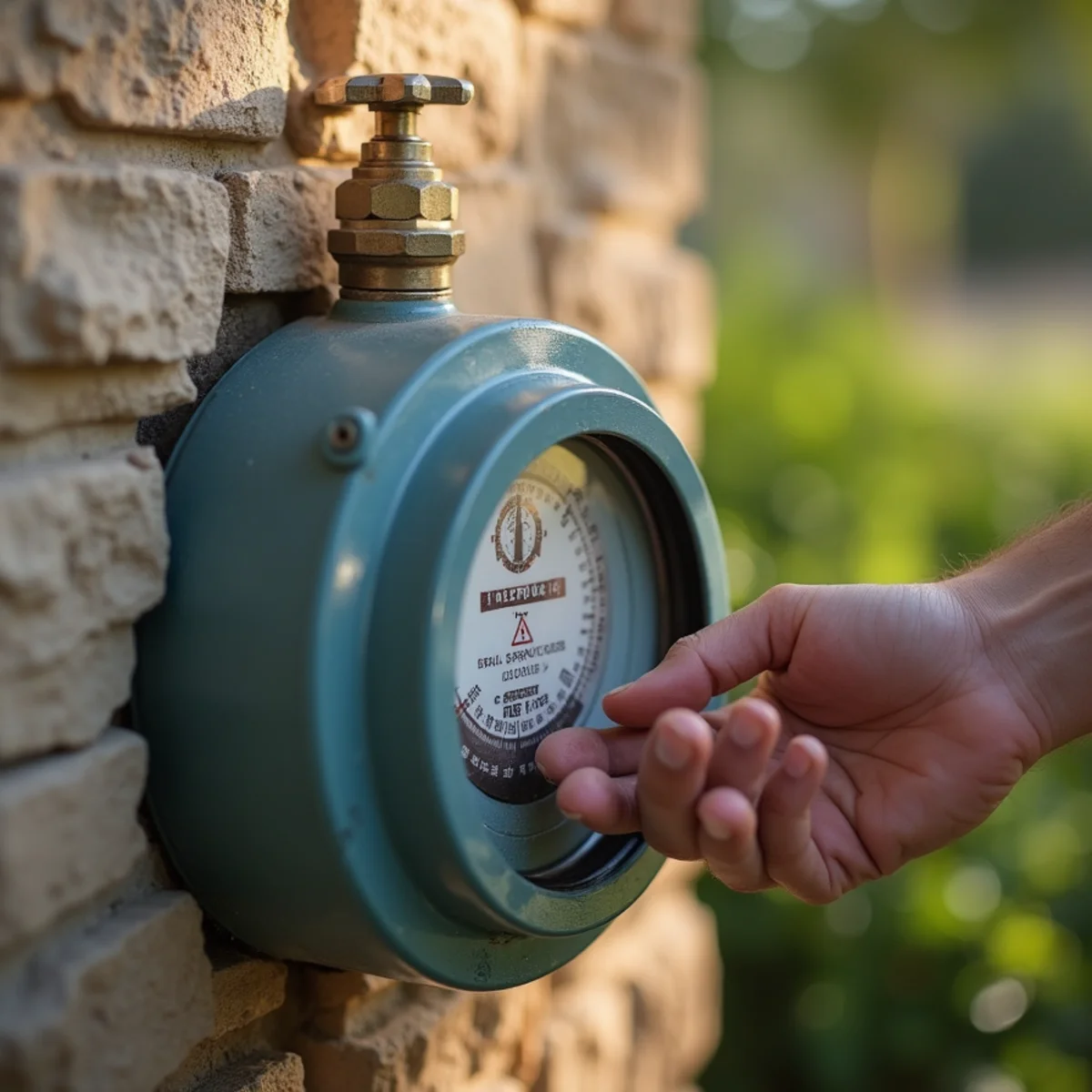
A water bill that suddenly doubled is a hidden-leak alarm 90% of the time. Here's the 15-minute DIY checklist we walk homeowners through on the phone before dispatching a leak-detection call.
Step 1: Isolate and Read the Meter
Turn off every fixture in the house. Locate your water meter at the front curb, open the cover, and check the low-flow indicator (a small triangle or dial). If it's spinning, water is moving somewhere in your system — and you have a leak.
Step 2: Check Every Toilet
Toilets are the #1 hidden leak. Drop a few drops of food coloring in every tank; wait 15 minutes without flushing. If color shows up in the bowl, the flapper is leaking — a common Leander hard-water failure. Full toilet rebuild kits are cheap and easy.
Step 3: Check the Irrigation System
If you have sprinklers, shut off the irrigation main and check the meter again. If the low-flow indicator stops, your leak is in the irrigation. If it keeps spinning, the leak is in the house.
Step 4: Look for Warm Spots on the Floor
A slab leak on the hot-water side often creates a warm spot on the floor. Walk barefoot on every tile and hardwood floor. If you feel a warm spot, that's likely a slab leak (call us).
Step 5: Check the Water Heater and Softener
Both leak from the drain valve occasionally. Look at the drain pan under the water heater; check the softener regeneration discharge line for constant drip.
When To Call for Professional Leak Detection
If the meter is still spinning after you've ruled out toilets, irrigation, water heater, and softener, you have a hidden supply-line leak. Time to call for electronic leak detection — we locate slab leaks and hidden supply leaks with acoustic and thermal equipment without tearing up walls.
The Meter Test: Confirm a Leak in 15 Minutes
Before you call anyone, run this test: (1) shut off every fixture in the house — toilets, sinks, showers, dishwasher, washer, ice maker, irrigation; (2) walk to your City of Leander water meter at the front curb; (3) lift the concrete cover and look for the low-flow leak indicator — a small triangle or dial that spins when water is moving; (4) if it's spinning with everything shut off, you have a leak somewhere on your side of the meter. If it's not spinning, the meter is either broken or your bill is off for another reason (irrigation controller run-away, meter mis-read).
This one test saves plumber trip charges when the "high bill" turns out to be a broken irrigation timer that ran the sprinkler for six hours a night.
The Hidden Leak Checklist — Fixture by Fixture
- Toilets: put 5 drops of food coloring in the tank, wait 20 minutes, look in the bowl — colored water in the bowl means the flapper is leaking silently. A running toilet can waste 200 gallons a day.
- Faucets: any visible drip counts — even one drip per second wastes ~3,000 gallons a year. Cartridge or valve seat is usually the fix.
- Shower valves: turn on the shower briefly, then shut off — listen for a persistent drip inside the wall behind the tile. That's a bad shower cartridge.
- Water heater: check the T&P discharge pipe (usually goes to a drain pan or an exterior wall termination) — any drip means the T&P valve or expansion tank is failing.
- Irrigation: walk the yard the morning after an irrigation cycle — soggy spots where sprinklers don't reach mean an underground line break; a stuck valve can run silently for hours.
- Slab leak: warm spots on tile floors (hot-water slab leak), or unexplained pressure drop with everything off — needs electronic leak detection.
When to Stop Testing and Call a Plumber
Call us when: (1) the meter indicator is spinning but you can't find the source after the checklist; (2) you find slab-leak symptoms (warm floors, pressure drop); (3) you find water in the wall or ceiling; or (4) your bill jumped by more than 30% without an explanation. We run electronic leak detection with a diagnostic fee that's credited back if we do the repair.
Need help right now?
Call (831) 290-4327 — a licensed plumber picks up 24/7.